


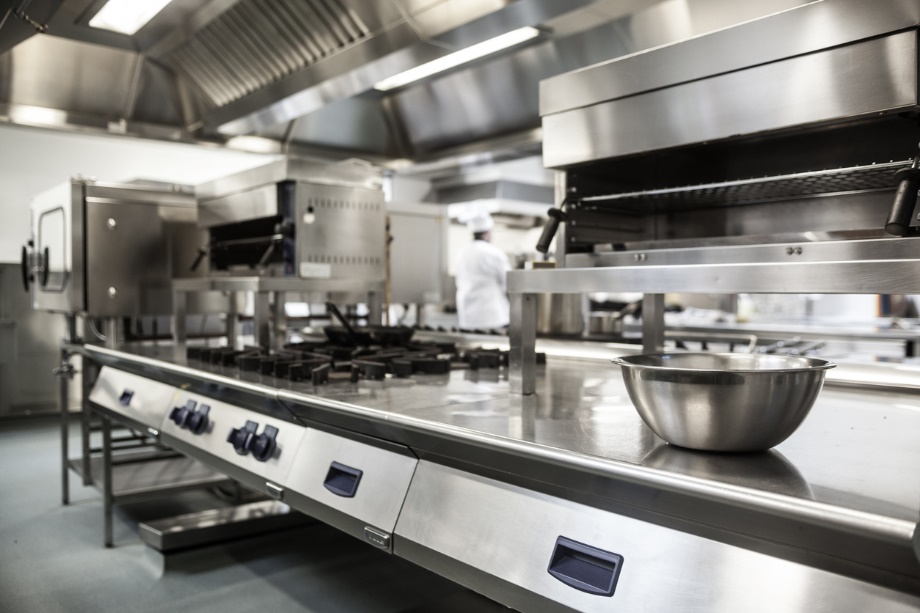
Running a commercial kitchen in New Zealand means juggling a dozen priorities at once, and hygiene can never slip down the list. A missed grease trap or a skipped sanitising step can shut a kitchen down overnight.
That is why every food business needs a working kitchen cleaning checklist that goes beyond the vague idea of “clean as you go”. Following a clear, repeatable routine keeps hygiene consistent across every shift, no matter who is on the floor.
For kitchens needing extra hands, our commercial cleaning services in Christchurch can handle heavier tasks such as canopy degreasing and full sanitisation. This guide covers what needs cleaning, how often it needs cleaning, and why it matters.
Compliance with NZ Ministry for Primary Industries (MPI) Food Safety
Every commercial kitchen in New Zealand is subject to MPI oversight, and the rules are mandatory. Meeting MPI food hygiene standards protects your customers and your licence to trade.
Meeting Food Control Plan (FCP) Hygiene Audit Standards
Most kitchens operate under a Food Control Plan, and auditors expect evidence, not promises. Cleaning logs, sanitiser rotation records, and staff sign-offs all matter during an audit. Kitchens without documented commercial kitchen cleaning in NZ tend to struggle here, since verbal habits do not hold up under scrutiny.
Preventing Cross-Contamination, Foodborne Pathogens, and Pest Risks
Raw meat juices, unclean cutting boards, and damp corners are pest magnets and pathogen breeding grounds. Colour-coded boards, separate prep zones, and consistent commercial kitchen sanitisation stop cross-contamination before it starts, while strict cleaning discipline also prevents pests.
Operational Breakdown: Daily, Weekly, and Monthly Maintenance
Not every task needs daily attention, but some absolutely do. Splitting cleaning into clear frequencies keeps the workload manageable, and nothing gets forgotten mid-service.
Daily Closing Routines: Surface Sanitisation, Equipment Wipe-Downs and Floors
Every shift should end with benches wiped, cutting surfaces sanitised, and equipment cleared of food debris. Floors need a proper mop, not a quick sweep, especially under mats and around drains where grease collects unnoticed. Bins get emptied and wiped, not just tied off, since lingering odours invite pests overnight.
Weekly Tasks: Fryer Degreasing, Refrigerator Coil Dusting, and Deep Scrubbing
Weekly jobs go beyond what a daily wipe can achieve. Fryers need proper degreasing to prevent oil breakdown and smoke taint, while refrigerator coils collect dust that reduces cooling efficiency if left unattended. Ovens, walls behind cooklines, and floor drains also deserve a thorough weekly scrub.
Specialised Heavy-Duty Cleaning: Exhaust Canopies and Ductwork
Some jobs are too heavy, greasy, or high-risk for daily staff to tackle alone. This is where specialist commercial cleaners earn their keep.
Removing Flammable Grease Build-Up from Hood Filters and Extraction Ducts
Hood filters and extraction ducts trap airborne grease whenever the grill or fryer is in use. Left unchecked, that build-up becomes a serious fire hazard, not just an eyesore. Proper grease trap and canopy cleaning removes this residue from the whole extraction system, not just the visible filter surface.
Maintaining Fire Safety Compliance and Insurance Requirements
Insurers often require documented proof of canopy cleaning before paying out on a kitchen fire claim, and fire safety inspectors seek the same evidence. Skipping this step does not just risk a fire; it risks your entire insurance cover.
Master Commercial Kitchen Hygiene Schedule
Use this table as a quick reference, then expand it with your own site-specific tasks.
| Frequency | Key Tasks |
|---|---|
| Every Shift | Wipe and sanitise prep surfaces, sanitise cutting boards, and clean utensils between uses. |
| Daily | Sanitise benches and sinks, wipe equipment, mop floors, empty and disinfect bins, and clean grease traps. |
| Weekly | Degrease fryers, dust refrigerator coils, scrub ovens, clean floor drains, and check pest traps. |
| Monthly | Deep-clean behind heavy equipment, sanitise freezers, and wipe down dry storage areas. |
| Quarterly or as required | Professional canopy and extraction duct cleaning, full grease trap servicing |
Frequently Asked Questions
What sanitising chemicals are approved for food contact surfaces in kitchens?
Food-safe sanitisers for surfaces that come into contact with food generally include chlorine-based solutions, quaternary ammonium compounds, and food-grade alcohol sprays, used at manufacturer-recommended concentrations. Always follow label instructions and allow proper contact time, since under-dosing reduces effectiveness just as much as skipping the step.
How does regular grease trap maintenance prevent severe plumbing blockages?
Grease trap and canopy cleaning prevent fats, oils, and food particles from solidifying in the pipework further down the line. Without regular servicing, that build-up narrows pipes until wastewater backs up, often mid-service. Routine emptying keeps the trap doing its job instead of becoming the problem.
What documentation is required to pass an official MPI food safety audit?
Auditors typically want cleaning schedules, temperature logs, sanitiser records, staff training records, and pest control reports. Everything needs a date and a name attached, since undocumented cleaning is treated the same as cleaning that never happened.
Why is deep cleaning behind heavy cooking line equipment necessary?
Grease, food debris, and moisture accumulate behind fryers, ovens, and grills—areas that daily wiping cannot reach. That hidden buildup attracts pests and creates a fire risk, even in kitchens that look spotless on the surface. Moving equipment for a monthly deep clean closes that gap