


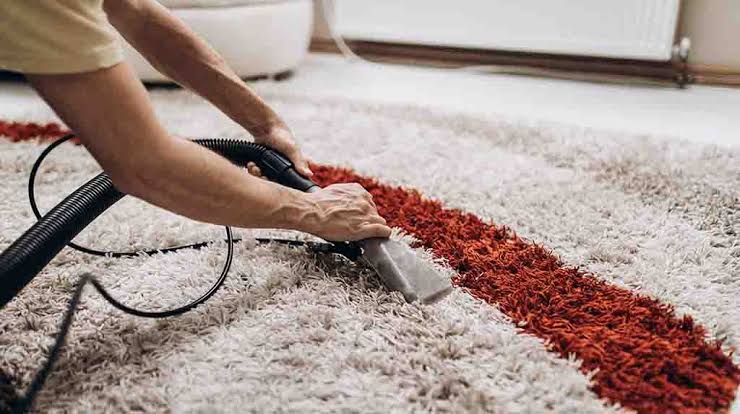
Carpets trap more than dust. Foot traffic, spills, and pets leave dirt and moisture buried deep in the fibres, so vacuuming alone can only do so much. Learning how to deep-clean carpets properly restores their appearance and removes buildup that regular cleaning misses.
A full deep carpet cleaning lifts embedded grime and neutralises smells at the source, not just the surface. Carpets cleaned properly last longer and stay healthier for the household.
If you would rather leave the hard work to specialists, our carpet cleaning services in Christchurch handle everything from stain treatment to full odour removal, using equipment that reaches deeper than a rental machine or household vacuum ever could.
Why Carpets Need More Than Regular Vacuuming
Vacuuming lifts surface dust, but it cannot reach dirt that has been ground into the fibres over months of foot traffic. Oils bind to carpet strands, and allergens settle into the padding underneath, out of reach of a standard vacuum head.
Why Stubborn Odours Can Remain After Vacuuming
Odour molecules attach to fibres and the padding beneath, not just to the surface. Pet accidents, spills, and trapped moisture soak down where a vacuum cannot follow, which is exactly why smells linger after the carpet looks clean.
Prepare Your Carpet Before Deep Cleaning
Start with a thorough vacuum to remove loose dirt and grit. Move light furniture aside, check the care label, and test your chosen solution on a hidden patch. Open a window; good airflow speeds drying and stops smells settling back in.
How to Deep Clean Carpets Step by Step
Once the room is prepped, the clean itself involves four practical stages.
Identify Carpet Type and Cleaning Requirements
Wool, nylon, and synthetic blends react differently to heat and moisture. Wool requires gentler, lower-moisture treatment, whereas synthetics generally tolerate hot-water extraction. Knowing what you are working with prevents shrinkage or fibre damage.
Treat Visible Stains Before Deep Cleaning
Blot, do not rub, using a clean cloth and a solution suited to the stain. Rubbing pushes stains deeper and frays fibres. Treating stains before the main clean stops them from setting further, which is the whole point of good carpet stain removal.
Apply the Right Cleaning Method
Hot water extraction is the most common way to deep clean carpet at home: a cleaning solution is sprayed in, then pulled back out with hot water. Shampooing and dry compound cleaning are suitable for carpets that cannot handle heavy moisture.
Extract Dirt and Excess Moisture Thoroughly
A final rinse with clean water removes leftover residue that would otherwise quickly attract dirt again. Extracting as much moisture as possible reduces the risk of mould developing underneath.
How to Remove Stubborn Odours from Carpets
Baking soda left on the carpet overnight before vacuuming absorbs general mustiness well. For more stubborn problems, an enzyme-based cleaner breaks down the organic matter causing the odour rather than covering it up, which matters for genuine carpet odour removal. Diluted white vinegar also helps as part of a routine carpet deodorising step, though test it on a hidden area first.
When Odours Need Deeper Professional Treatment
Pet urine soaked into the underlay, or a musty smell after a flood, usually sits beyond home products. Here, how to remove carpet odours for good often means professional extraction and, sometimes, replacing the padding underneath.
How to Deal With Tough Carpet Stains
Wine, coffee, ink, and grease each need a slightly different approach. Cold water works best on fresh wine and coffee; an alcohol-based solution lifts ink, and grease responds to a mild dish soap treatment before rinsing. Patience matters more than scrubbing power here.
Know When a Stain Requires Professional Treatment
Stains that have set for weeks, or dye transfer from rugs, often require specialised products that go beyond typical home kits. Pushing too hard with the wrong product can permanently bleach or damage fibres.
Drying and Caring for Carpets After Deep Cleaning
Open windows, run fans, and keep foot traffic off the carpet until it is fully dry, usually six to twelve hours, depending on humidity and airflow. Once dry, a light vacuum lifts the pile back up. Regular vacuuming between deep cleans keeps carpets looking fresh for far longer.
When Should You Hire Professional Carpet Cleaners?
Professional carpet cleaning is worth the cost when allergies are a concern, the area is large, or a rental needs to meet an end-of-tenancy standard. Whether you need carpet cleaning in Dunedin or are closer to home, a trained team brings equipment and experience that consistently outperforms a hired machine.
Frequently Asked Questions
What is the best way to remove stubborn odours from carpet?
Baking soda handles mild cases, while enzyme cleaners work better for pet accidents and stubborn odours. Persistent odours usually call for professional extraction.
Can deep carpet cleaning remove old stains?
Often, yes, though results depend on the stain type and how long it has set. Older, set-in stains sometimes need repeated treatment or professional-grade products to lift fully.
How long do carpets take to dry after deep cleaning?
Most carpets dry within six to twelve hours with good airflow. Fans, open windows, and avoiding foot traffic all help speed things along.
Is professional carpet cleaning better than cleaning carpets at home?
Home cleaning works well for regular maintenance, but professional equipment reaches deeper into fibres and padding, making it the better option for serious stains, odours, or allergy concerns