


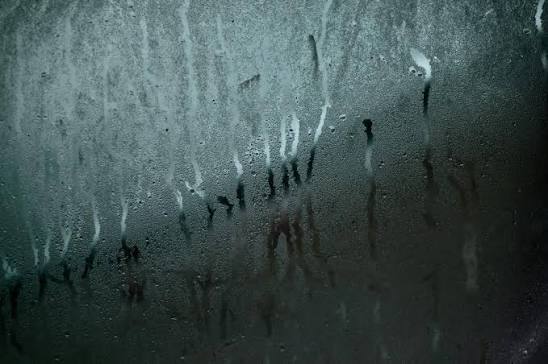
Waking up to wet windows every winter morning feels minor. In reality, it is a signal worth taking seriously. Condensation on windows indicates excess indoor moisture, and when left unaddressed, it can cause mould growth, frame rot, peeling paint, and warped timber, all of which require expensive repairs.
For properties where moisture damage has already affected surfaces, Window Cleaning Services in Christchurch can address the resulting buildup before permanent damage takes hold.
The Physics of Thermal Transfer and Dew Point Formation
Condensation forms when two conditions meet simultaneously: moisture-laden air and a cold surface.
Why Warm Air Releases Moisture When Contacting Cold Glass Panes
Glass is an impervious material that does not absorb water. When warm, humid internal air contacts a cold glass pane, the air cools at the surface and releases moisture as liquid droplets. The colder the glass relative to the surrounding air, the more pronounced the effect.
This is why stopping window moisture problems in NZ becomes more difficult on cold winter nights, when single-glazed or standard aluminium-framed windows can become significantly colder than indoor air.
Identifying Daily Living Habits That Generate Internal Water Vapour
The average household generates substantial moisture through cooking, showering, drying laundry indoors, and even breathing. Without adequate ventilation or humidity control, that vapour accumulates until condensation forms on any cold surface it contacts, including windows, exterior walls, and the inside of wardrobes.
Immediate Behavioural Changes to Reduce Indoor Moisture Loads
Before investing in upgrades, behavioural changes reduce moisture load at the source:
- Run kitchen and bathroom extraction fans during cooking or showering, and keep them running for at least 15 minutes after.
- Dry laundry outside or in a vented dryer rather than on indoor racks.
- Open windows briefly each morning to flush out overnight moisture from bedrooms.
- Be selective about indoor plants. High-humidity species, including bamboo, palm, Monstera, Ficus, and ginger, worsen condensation.
- Orchids, spider plants, and peace lilies are better choices for homes with moisture-prone conditions.
Architectural and Mechanical Upgrades to Eliminate Moisture
Behavioural changes reduce moisture load but rarely eliminate condensation in older or poorly insulated homes. Structural upgrades address the root cause more permanently.
Thermal broken double glazing raises the inner glass surface temperature, preventing cold-surface condensation. Standard aluminium-framed double glazing reduces glass condensation compared to single glazing, but the aluminium frame itself conducts cold, leaving approximately 20mm of condensation around the glass perimeter.
Thermally broken joinery incorporates a nylon barrier within the frame to separate the warm and cold zones, eliminating this perimeter condensation and substantially improving thermal performance.
Home mechanical ventilation systems continuously manage indoor moisture by replacing humid air with drier, tempered air. These are particularly effective in bedrooms and living areas where windows remain closed for extended periods. Dehumidifiers provide a more targeted option for individual rooms.
Protecting Window Joinery, Sills, and Curtains from Water Damage
Even with prevention measures in place, some condensation may still occur during extreme cold snaps. Preventing window frame rot is easier than letting it become a structural issue.
Daily Surface Wiping Protocols to Prevent Timber Decay and Fabric Mould
Wipe condensation from glass and frames each morning using a dry microfibre cloth or window vacuum. Do not allow water to pool on timber sills or sit against curtain fabric. Pooled condensation on timber accelerates rot within the grain, and damp curtain fabric can develop mould within days in cool, low-airflow conditions.
The Role of Thermal Drapes and Frame Cavity Drainage Systems
Heavy thermal curtains reduce glass surface cooling overnight by creating an air buffer between the cold window and the warm room. They must be kept clear of the sill so that the condensation that does form can evaporate rather than wick into the fabric. For aluminium frames, ensuring that factory-installed sill drainage channels remain clear prevents water from pooling against the frame base.
Selecting the Long-Term Condensation Solution for Your Property
The right long-term solution depends on the severity of condensation and the home’s construction type:
|
Condensation Severity |
Recommended Solution |
|
Mild, occasional |
Behavioural changes and a dehumidifier |
|
Moderate, regular |
Mechanical ventilation system |
|
Severe, structural |
Double glazing with thermally broken joinery |
|
Persistent frame condensation |
Low-E argon glass with warm edge spacer |
Note that cavity cladding systems, such as brick veneer, reduce the effectiveness of thermally broken joinery, as air can pass around the frame edges. Discuss the construction type with a joinery specialist before selecting a product.
Frequently Asked Questions
Does running a heat pump throughout the day eliminate window condensation?
A heat pump warms indoor air but does not reduce its moisture content. Condensation still forms on cold surfaces even when the relative humidity is high. Combining heat pump use with ventilation or a dehumidifier addresses both the temperature and the moisture load.
How does retrofit double glazing alter glass surface temperature to stop moisture?
Double glazing creates an insulating air gap between panes, raising the inner glass surface temperature. Warmer glass means a smaller temperature difference between the glass and indoor air, reducing the conditions that favour condensation.
Can dehumidifiers permanently solve window condensation in older homes?
Dehumidifiers lower the indoor dew point, effectively reducing condensation. They manage the symptom but do not address inadequate insulation or structural moisture ingress. In older homes with single-glazed windows, dehumidification combined with improved ventilation significantly reduces condensation but may not eliminate it entirely.
What damage can persistent window condensation cause to aluminium and timber frames?
Persistent moisture on timber sills causes rot that spreads into the structural grain, requiring full section replacement. On aluminium frames, pooled condensation can degrade sealants at the glass-to-frame junctions. Damp curtains and blinds develop mould within days and can transfer spore growth to adjacent walls and ceiling surfaces.