


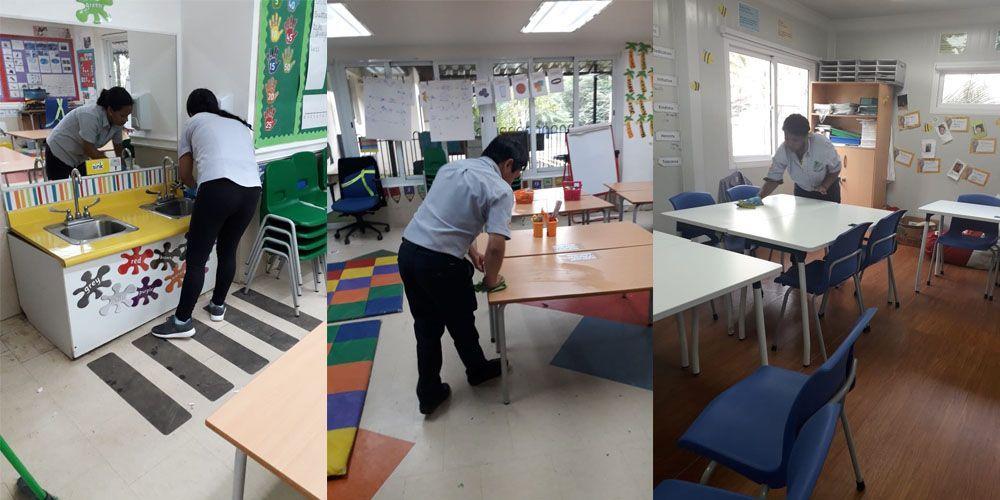
Cleaning Kindergarten isn’t child’s play! You need to be extra careful and cautious because your teeny tiny clients are going to crawl, touch, and explore every corner of the classroom. They are much more sensitive than adults, and a little inconvenience to them can turn into a hazard for us.
That’s why professional cleaners see picking the right cleaning solution for such places not only as their task but also as a responsibility.
Picking non-toxic and sustainable cleaners isn’t just beneficial for kids but also for the staff and the environment.
5 Non-Toxic Cleaning Products for Kindergarten
1. White Vinegar
It is inexpensive, adaptable, and powerful. White vinegar is one of the best natural cleaning products you can have in your cupboard of supplies.
Why it works:
Vinegar is made of acetic acid, which helps break down dirt, grease, and soap scum; it is also naturally antibacterial, making it a powerful odour remover.
Where to use it:
- Wiping down tables, chairs, and windows.
- Cleaning play kitchens or art tables.
- Descaling taps and sinks.
Pro tip: Mix equal parts of vinegar and water in a spray bottle, and you have an all-purpose cleaner. Add a few drops of essential lemon oil to help neutralise the vinegar’s smell.
Avoid using it on marble, granite, or any other natural stone, as the acid can damage those surfaces.
2. Baking Soda
If vinegar is the cleaner, then baking soda is the polisher. Together, they make a powerful team.
Why it works: Baking soda (sodium bicarbonate) is mildly abrasive, enabling it to pull stains and dirt without scratching. It also neutralises odours, a major plus for classrooms after snack time.
Where to use:
- Scrubbing sinks, tiles, and bathrooms
- Deodorizing rugs, carpets, or dress-up corners
- Cleaning toys with sticky residue
Pro tip: Sprinkle a bit of baking soda on a wet cloth, gently scrub the surface, then rinse with warm water.
It’s completely safe for kids; in fact, it’s used in baking and therefore does no harm if left behind.
3. Castile Soap
If you have never used Castile soap, then you have shunned one of the wonders of natural cleaning. Castile soap, created from olive oil, is now more commonly made from coconut or hemp oils for a lighter, sudsier clean.
What Makes It Work: Castile soap is biodegradable, hypoallergenic, and gentle enough to use on skin; however, it is tough against grease, dirt, and sticky messes.
When to Use It:
- Mopping surfaces such as classroom floors
- Cleaning toys and activity tables is safe for children to place in their mouths
- Wiping down art supplies or the handles of paintbrushes
To make it work side to side, one tablespoon of liquid Castile soap and one spray bottle of warm water make a very mild surface cleaner that can be used with no worries. For floors, a few drops go a long way in a mop bucket.
Castile soap has one advantage over all other cleaning agents: versatility! Castile can replace multiple cleaning agents that contain chemicals.
4. Hydrogen Peroxide
Kindergartens are filled with shared toys, tiny hands, and unseen germs. Hydrogen peroxide (3% solution) is a safe and effective disinfectant that does not produce harsh fumes or leave a residue.
Why does it work?
It kills bacteria, viruses, and fungi, which makes it a great alternative to bleach. As it breaks down, it simply becomes water and oxygen, leaving you with no harmful by-products.
Where can you use it?
- Sanitising toys and play surfaces
- Disinfecting bathroom sinks and door handles
- Spot-cleaning lunch areas
Pro tip: Spray the surface directly, let it sit for a time, then wipe it dry. Do not mix with vinegar; they neutralise each other.
5. Lemon Juice
Lemon juice works wonders as a natural cleaner; it cleans, has a pleasant scent, and is a natural product that you can eat!
Why it works: Lemon has citric acid, which will eat through gunk and work as a mildew and soap-free disinfectant; you can smell it right away.
How to use it:
- Polish stainless steel, or taps
- Remove crayon or marker marks from surfaces
- Add a natural smell to DIY cleaning solutions
Bonus tip: A mixture of lemon juice, vinegar, and water in a spray bottle works great as an all-purpose cleaner, and it smells great for cleaning tables and walls!
Wrapping Up: Clean & Safe, Even Kinder to Everyone
A clean kindergarten should smell like fresh air, not chemicals! With some easy, inexpensive, non-toxic products such as vinegar, baking soda, Castile soap, hydrogen peroxide, and lemon juice, you can help maintain a safe and healthy environment—something especially important for kindergarten cleaning in Dunedin. Using these gentle products keeps classrooms clean without putting anyone’s health at risk.
Cleaning with care and intention promotes not only cleanliness, but it’s part of creating a safer, healthier, better environment for the next generation, one single wipe at a time.