


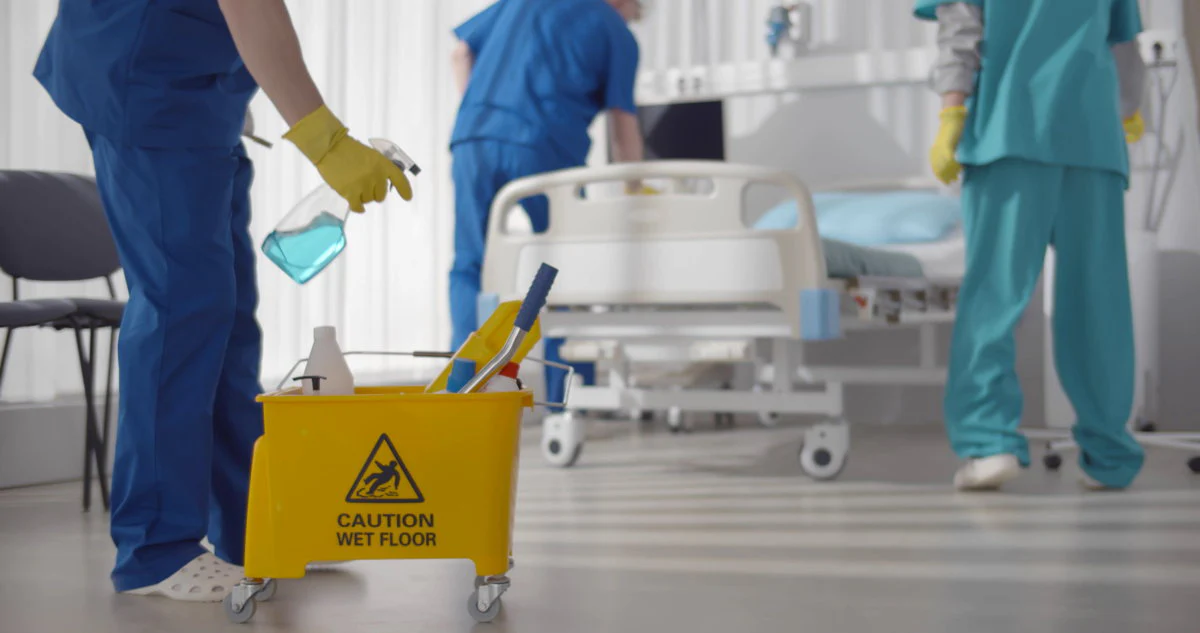
Walk into a hospital room, and it might look spotless. You’ll see floors mopped, beds made, and bathrooms wiped down. On the surface, everything looks fine. But in hospitals, looking clean is not the same as being safe.
Patient rooms are high-risk spaces where vulnerable people recover, staff move constantly between rooms, and equipment is shared throughout the day. This is exactly why hospital cleaning in Christchurch requires specialised daily processes rather than standard cleaning routines.
Without the right cleaning approach done every single day, infection risks build quietly in places most people never think about.
Why “Clean” Does Not Always Mean Safe
In hospitals, danger is often invisible. A room can pass a visual check and still carry harmful microbes on surfaces that are touched dozens of times a day. Bed rails, call bells, light switches, IV poles, bedside tables and privacy curtains are all prime transfer points.
Hospital cleaning is not judged by how shiny a room looks. It is measured by how well bacteria, viruses and pathogens are controlled. Visual cleanliness is absolutely important, yes, but it’s microbial safety that protects patients.
Specialised Cleaning is About Stopping Cross-Contamination
Daily hospital cleaning is a risk-control process. It exists to stop cross-contamination before it moves from one patient to another or from surfaces to staff and visitors.
Specialised daily cleaning includes:
- Thorough disinfection of high-touch surfaces
- Cleaning from clean zones towards contaminated areas
- Strict cloth-changing and colour-coded systems
- Immediate response to spills and body fluids
- Correct handling of waste and linen
This work follows clear protocols. It is structured, monitored, and repeated consistently. That consistency is what keeps the risk of infection low.
Terminal Cleaning Protects the Next Patient
Regular light cleaning alone is not enough. When a patient is discharged, transferred or passes away, terminal cleaning begins.
Terminal cleaning goes a lot deeper because it includes:
- Full disinfection of beds and mattresses
- Deep cleaning of bathrooms and fittings
- Cleaning equipment and fixtures that were blocked during use
- Replacing curtains
- Using hospital-grade disinfectants with proper dwell times
This step ensures the next patient enters a genuinely safe space, not one carrying traces of the previous one.
Cleaning Directly Affects Patient Recovery
Clean environments help people heal. When rooms feel hygienic and calm, patients sleep better, feel safer, and experience less stress.
Proper cleaning supports recovery by:
- Reducing infection risk
- Supporting faster healing
- Creating emotional reassurance for patients and families
- Strengthening trust in care
Clean rooms are more than just a clinical duty. They are a part of every patient’s healing journey.
Staff Safety Matters Just as Much
Hospital staff move fast, work long hours, and care for multiple patients every day. Without reliable cleaning, they face higher exposure risks and unnecessary stress.
Consistent specialised cleaning helps protect nurses, doctors, and support teams by reducing contamination, improving workflow safety, and lowering fatigue caused by crowded or unsafe spaces.
When staff trust that rooms are properly cleaned between patients, they can focus on care instead of worrying about what might have been missed. That confidence plays a real role in reducing burnout and keeping teams safe and supported.
Why Professional Hospital Cleaning Teams Matter
Hospital cleaning cannot be improvised. Specialised teams are trained to understand infection control, chemical use, PPE protocols, and compliance requirements.
They work with:
- Hospital-grade disinfectants
- Documented cleaning schedules
- Audits and quality checks
- Clear accountability systems
Every room is logged, and every task is tracked. You don’t have to worry about chasing slip-ups. This structure is what keeps standards high day after day.
High Standards in Christchurch Hospitals
Hospitals in Christchurch operate under strict hygiene expectations. Daily specialised cleaning is not optional. It is a core part of patient safety, compliance, and public trust.
Healthcare facilities in the region must meet clear health and safety standards while managing high patient turnover and seasonal pressures. Specialised cleaning supports this by ensuring consistency across wards, reducing outbreak risks, and helping hospitals stay audit-ready at all times.
Reliable cleaning is part of maintaining operational stability, not just meeting minimum requirements.
Final Thoughts
Hospital patient rooms are not ordinary spaces. They are places where recovery begins, and risks must be controlled carefully. Specialised daily cleaning prevents infections, supports healing, and protects everyone who walks through the door.
If your facility needs reliable hospital cleaning in Christchurch that understands clinical environments and daily risk control, choosing the right cleaning partner is not a small decision. It is a responsibility that directly impacts patient safety every single day. And our team understands that responsibility.
Reach out to our team for a free quote today!